FREE Pediatric Speech Therapy Exercises and Resources
At Open Lines, we passionately believe every child’s potential can be nurtured and maximized with warmth, compassion, and the right tools and knowledge. That’s why…
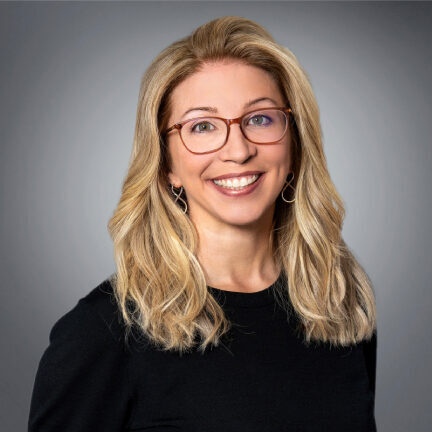
Founder, CEO, Speech-Language Pathologist
Dr. Jessica Galgano is a speech-language pathologist and the Founder and CEO of Open Lines Speech and Communication. Her personal experience growing up with a parent who suffered a combat-wounded Traumatic Brain Injury (TBI) while serving in Vietnam drove her to master the art and science of neurological rehabilitation. She founded her visionary clinic, Open Lines Speech and Communication, on the principle that it is never too late to improve one’s voice, speech, or cognitive-communication abilities.
The highest standards of academic and clinical practice are reflected in Dr. Galgano’s professional experience. She received her doctoral degree in Biobehavioral Sciences from Columbia University, where she conducted research on the neural underpinnings of voice using brain imaging modalities. Dr. Galgano is an LSVT LOUD® clinical expert and faculty instructor with LSVT Global, Inc., for whom she regularly teaches and lectures about evidence-based intensive therapy programs for people with neurologically based voice and communication disorders at major medical institutions in the US and worldwide. She is one of six LSVT LOUD® faculty instructors and clinical experts in the world.
Dr. Galgano is proud to be an Executive Board Member of the Academy of Neurologic Communication Disorders and Sciences (ANCDS), an association that supports practitioners who serve individuals with neurologic communication disorders by providing education, training, and certification opportunities to promote high-quality professional service. She has held research scientist positions at NYU Langone School of Medicine and Memorial Sloan Kettering Cancer Center and currently holds a faculty instructor position at NYU Grossman School of Medicine. She has been an adjunct professor with NYU, Columbia University, Teachers College, and San Francisco State University where she taught graduate coursework in the areas of voice disorders and neurogenic communication disorders that result from acquired (e.g., stroke) and progressive neurological disease (e.g., Parkinson’s disease, cognitive changes).
Further, close relationships with the Bank Street School for Children, The Spence School, and Corlears School for over a decade have also supported Dr. Galgano’s numerous years of clinical experience as a pediatric speech-language pathologist. In addition to clinical work, she has examined the effectiveness of intensive voice treatment in children with neurogenic speech disorders secondary to Cerebral Palsy and in children with Autism.
Dr. Galgano’s clinical expertise and research interests include examining and treating the clinical effectiveness of techniques and treatments available for professional voice users and performers, such as those used by the LaMaMa theater group based in NYC. She also specializes in the treatment of neurogenic respiratory-voice, speech and language disorders resulting from stroke (i.e., aphasia, apraxia of speech, dysarthria) and progressive neurological disease (e.g., Parkinson disease, PSP.)
One of Dr. Galgano’s main findings during her time as a researcher relates to the role of emotional pathways in the brain during the production of voice and speech. Before she researched the impact of stress and emotional influences on voice, Dr. Galgano studied the nerve potentials which occur to initiate it. This is of particular importance for patients suffering from Parkinson’s disease, where initiation of a movement or action is acutely impaired. Her work identified a novel method to analyze these potentials using high density electroencephalography which overcame shortcomings associated with earlier methods.
At Open Lines, we passionately believe every child’s potential can be nurtured and maximized with warmth, compassion, and the right tools and knowledge. That’s why…

DISCLAIMER: The content in this article is for informational purposes only. The content on our website is not intended to be a substitute for professional…

Language serves as the cornerstone for learning and human interaction. For some children, accessing educational content in the classroom and navigating the nuances of social…

Parkinson’s disease is a progressive neurological condition that primarily impacts a person’s motor skills, but it can also have significant effects on speech and communication….

Since surviving a stroke last year, maintaining daily routines like enjoying a morning coffee ritual at the local café has become essential for Maria. These…

Aphasia —a condition that affects various aspects of language comprehension, speaking, reading, and writing— is triggered by a brain injury, often following a stroke. Despite…

Understanding your child’s speech and language development can often feel overwhelming. If you’re concerned that your child is experiencing difficulties communicating with ease and confidence,…

After a stroke, one of the most frustrating and impactful challenges that many encounter is difficulty with speech and communication. The good news is that…

As young children grow and acquire more practice talking, their ability to efficiently and accurately produce the sounds of their language is refined and perfected….

Dysarthria is a condition that makes it difficult to speak due to muscle weakness. These challenges stem from neurological conditions that make it hard to…

Aphasia refers to a language disorder that affects a person’s ability to communicate. There are many causes of aphasia and symptoms may include disturbances to…

Receptive language refers to the ability to listen and process information whether that information is presented verbally or in writing. Children with receptive language weaknesses…