7 Speech and Communication Tips for Parkinson’s Disease
Living Well With Parkinson’s: At Home, on the Phone, and in Public Parkinson’s disease affects far more than movement. For many people living with this…


Living Well With Parkinson’s: At Home, on the Phone, and in Public Parkinson’s disease affects far more than movement. For many people living with this…

You had a concussion. You feel mostly “okay” — but something is off. You’re losing your train of thought mid-sentence, blanking on words you know…
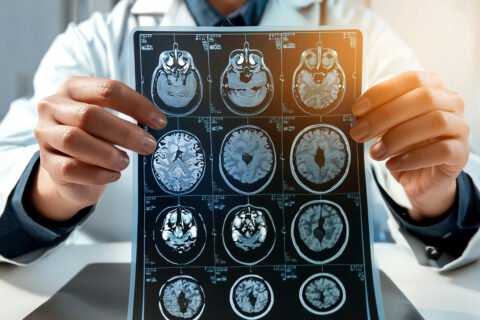
This article provides general information and does not constitute medical advice. Always consult with healthcare professionals regarding specific medical conditions and treatment options. A Transient…

In January 2025, Dr. Jessica Galgano—founder and CEO of Open Lines Speech and Communication—served as a lead instructor for an intensive LSVT LOUD® certification training…

A Timeline for Speech Recovery After a Stroke This article provides general information and does not constitute medical advice. Always consult with healthcare professionals regarding…

Understanding Spastic Dysarthria Speaking requires the coordination of multiple muscle systems working together in perfect balance—from those controlling our breath, to those activating the movements…
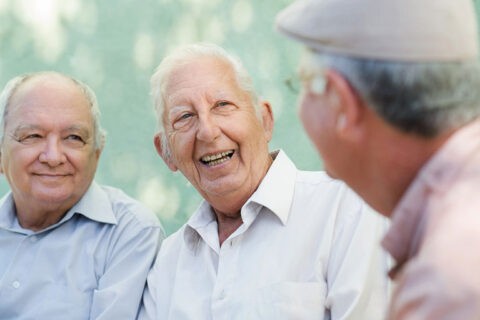
Dysarthria is a condition that makes it difficult to speak due to muscle weakness. These challenges stem from neurological conditions that make it hard to…

Strokes can be life-altering events, impacting various aspects of one’s health, including speech. One common challenge individuals face following a stroke is changes to their…

Clear speech relies upon the precise coordination of various muscular subsystems involved in respiration (breath), phonation (voice/vocal fold vibration), articulation, and resonance. Any changes or…

The days and weeks following a stroke are undeniably overwhelming and colored by uncertainty. It’s common for individuals to face speech and language challenges and…