What Is a Concussion – and Why Is It Affecting the Way I Communicate?
You had a concussion. You feel mostly “okay” — but something is off. You’re losing your train of thought mid-sentence, blanking on words you know…


You had a concussion. You feel mostly “okay” — but something is off. You’re losing your train of thought mid-sentence, blanking on words you know…
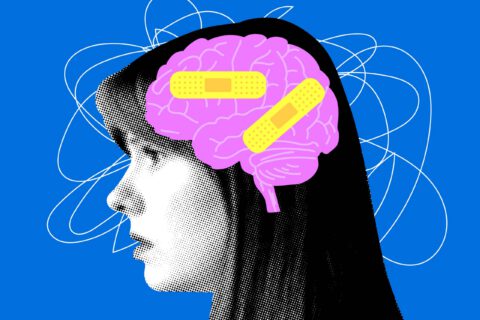
Every year, 2.8 million people in the U.S. experience a traumatic brain injury (TBI) – an often unexpected event that can alter how someone thinks,…
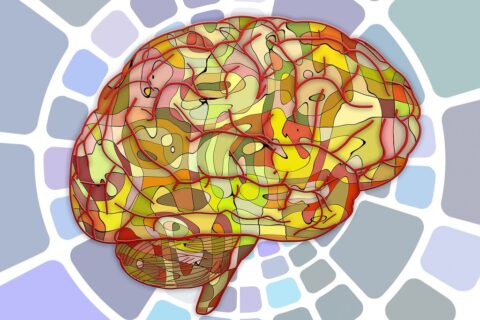
Communication and language functions are primarily centered in the left hemisphere of the brain. When injuries impact the left hemisphere, there are often overt communication…

Since surviving a stroke last year, maintaining daily routines like enjoying a morning coffee ritual at the local café has become essential for Maria. These…

Aphasia —a condition that affects various aspects of language comprehension, speaking, reading, and writing— is triggered by a brain injury, often following a stroke. Despite…

Aphasia refers to a language disorder that affects a person’s ability to communicate. There are many causes of aphasia and symptoms may include disturbances to…

Clear speech relies upon the precise coordination of various muscular subsystems involved in respiration (breath), phonation (voice/vocal fold vibration), articulation, and resonance. Any changes or…
Aphasia, a condition often shrouded in misunderstanding, has a profound impact on individuals’ ability to communicate effectively. In this post, we will learn about what…

Aphasia, a complex language disorder stemming from damage to the brain’s language centers, manifests in various forms, each presenting distinctive challenges. The misunderstandings surrounding aphasia…

Aphasia is a complex communication disorder. It’s caused by a disruption in the typical functioning of the brain’s language centers. It can occur at…